Finding the right wholesale supplement supplier is one of the most critical decisions you'll make as a retailer or distributor. The quality of your supply chain directly impacts your product margins, customer satisfaction, and long-term business sustainability.
This guide covers the full process: how to evaluate distributors, what minimum order quantities really mean, how pricing models work, how to verify product authenticity, what import logistics look like for international buyers, and the red flags that should make you walk away. It's written for anyone sourcing supplements for a retail business, gym, online store, or distribution operation—whether you're buying from a single US warehouse or coordinating multi-country imports.
Vetting Distributors: What to Ask Before You Buy
The supplement distribution space has no shortage of suppliers claiming to be legitimate. The gap between a careful distributor and a careless one is enormous, and it shows up in product quality, customs headaches, and customer trust. Here's how to vet before you commit.
Where the product comes from
The first question: where does this distributor buy the product, and can they show it? A careful distributor buys through established channels, keeps a purchase record for every shipment, and ships product sealed in the manufacturer's original packaging. A careless one sources product however they can, and the supply chain behind it is anyone's guess.
Ask directly: "Where do you source [Brand X], and do you keep purchase records?" If the answer is vague, that's a signal. Some distributors are appointed by a brand; many reputable wholesalers buy through established channels instead. Either way, the answer should be clear and the paperwork should exist.
Documentation and traceability
A legitimate distributor can provide documentation beyond the product itself. Expect to see:
- Batch codes and expiry dates printed on the product itself
- Sealed, original manufacturer packaging
- Commercial invoices that match the product and quantity
- For international orders, the export paperwork your customs authority asks for
Certificates of Analysis (COA) come from the manufacturer: some brands publish them, others share them on request. If a distributor can't tell you where the product came from, or the batch codes and expiry dates don't match the invoice, that's a major red flag. Batch traceability is the foundation of product quality and one of the first things customs authorities check when clearing international shipments.
Certifications that matter
cGMP (current Good Manufacturing Practices) certification is the baseline for legitimate supplement manufacturing in the US. Third-party testing adds an additional layer: NSF International, Informed Sport, or USP verification. These certifications aren't just marketing—they're independent verification that the product contains what the label says, at the dose the label claims, without undisclosed ingredients.
When evaluating a distributor, ask which manufacturers they work with and whether those manufacturers carry certifications. A distributor sourcing from cGMP-certified, third-party-tested manufacturers has far less product risk than one whose supply chain has no documented quality controls.
Minimum Order Quantities: What's Realistic
The "minimum order" conversation is where a lot of new retailers get tripped up. Different distributors have different structures, and understanding what's realistic helps you plan your initial orders without overcommitting.
Case-break vs. individual units
Most wholesale distributors sell at two levels: individual units (single bottles, tubs, boxes) and case-break quantities (full cases). Buying at case level typically gets you a discount—often 5-15%—because you're purchasing the manufacturer's standard pack quantity instead of cherry-picking individual units.
If you're a new retailer starting out, case-break purchasing on your best-known SKUs is the most cost-effective way to begin. You don't need to buy full pallets to get wholesale pricing—case quantities are the entry point for most distributors.
Pallet-level purchasing
Full pallets represent the next tier. A standard pallet might hold 48-60 cases of supplement products, depending on packaging size. At the pallet level, distributors often offer deeper discounts—15-25% off individual pricing. The math can be compelling, but the logistics matter: pallets require warehouse space, and for a new retailer, a full pallet of a single SKU might represent months of inventory.
Before ordering at the pallet level, model your sell-through. If you move 50 units of a pre-workout per month and a pallet holds 48 cases of 12 units each (576 units total), that's nearly a year of inventory. For a proven seller with consistent demand, that math works. For a new product you're testing, it doesn't.
Container-level purchasing
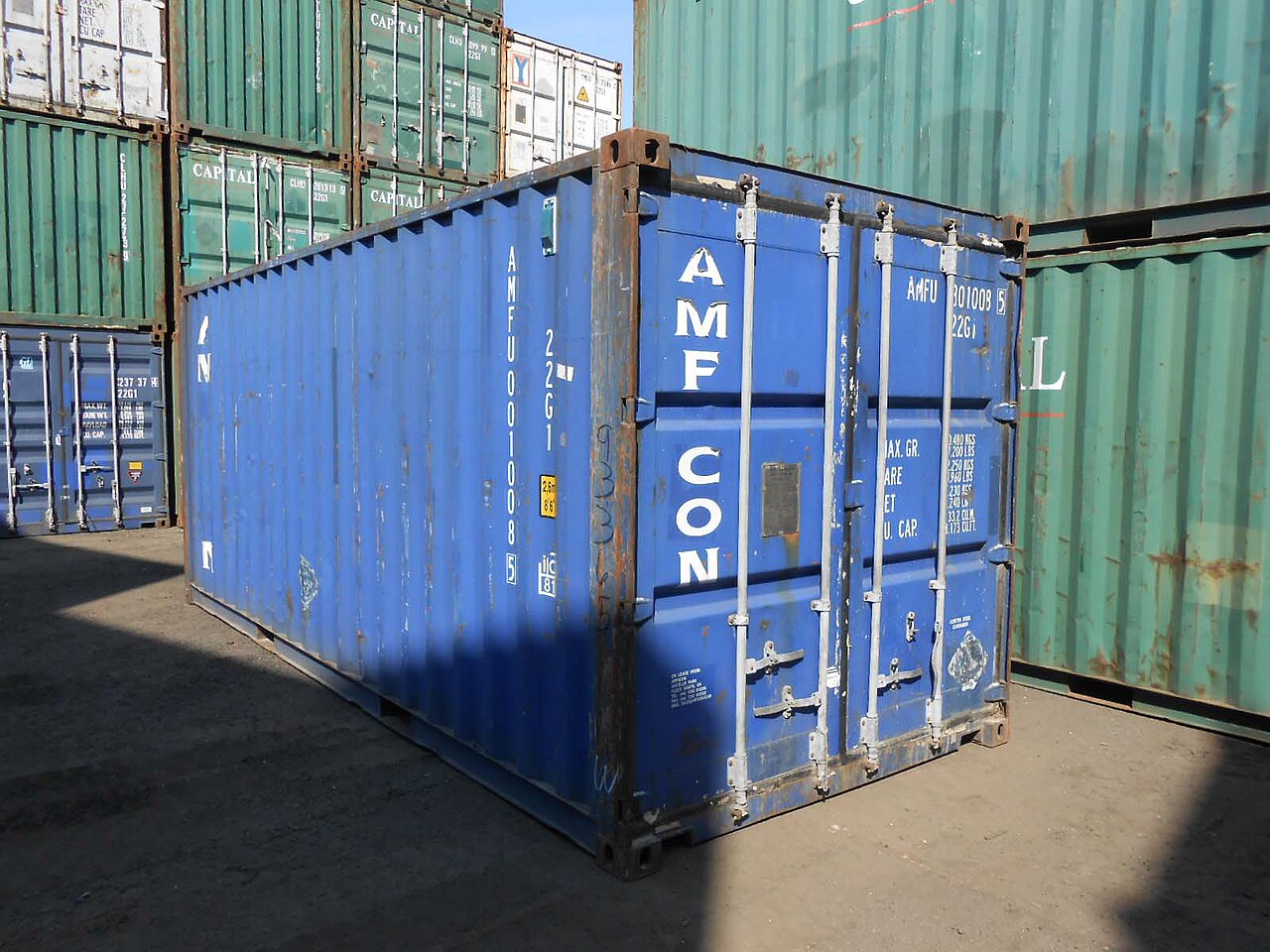
Container loads—the true bulk tier—are reserved for high-volume distributors and retail chains. A 20-foot container can hold 10,000-20,000+ units of supplement product depending on packaging. At this tier, discounts of 30-50% are possible, but the risk profile changes dramatically: large capital commitment, long lead times, and significant storage requirements.
Container purchasing only makes sense when you have proven demand, confirmed storage capacity, and the working capital to absorb a 60-90 day inventory cycle. For most independent retailers, container purchasing is a phase two or phase three decision, not a starting point.
What Legacy Supplements offers
Legacy Supplements International structures MOQs for growing accounts—case-break quantities for emerging retailers, pallet options for established accounts, and container-level purchasing for high-volume distributors. The idea: meet you where you are, not force you into a tier you're not ready for. Contact us to discuss your volume and we'll recommend the right order structure.
Pricing Models: How Wholesale Actually Works
Wholesale supplement pricing isn't a single number—it's a structure that changes based on volume, product category, and account relationship. Understanding the pricing model helps you compare distributors accurately and avoid surprises at checkout.
Tier-based volume pricing
Most distributors use tier pricing: the more you buy per order or per month, the better your price. Tiers might look like:
- Tier 1 (entry): Standard wholesale pricing, available to all approved accounts
- Tier 2 (mid): Improved pricing at higher monthly volumes (e.g., $2,000+/month)
- Tier 3 (high): Best pricing at significant volume (e.g., $5,000+/month)
The key insight: tier pricing rewards consistent purchasing, not single large orders. Distributors prefer steady, predictable accounts over sporadic big orders. If you can demonstrate consistent monthly volume, your account manager will often work with you to reach the next tier—and the pricing improvement compounds across every order.
Category-specific margins
Different supplement categories have different margin structures. Pre-workouts and fat burners typically carry higher margins than protein powders, which are more commodity-priced. Vitamins and health products vary widely. Understanding the margin profile of each category helps you build a product mix that makes financial sense—don't fill your shelf with low-margin commodity products just because they're easy to source.
Hidden costs to watch for
The sticker price isn't the full cost. Watch for:
- Shipping and freight: Can add $0.50-2.00 per kilogram depending on destination and order size
- Import duties: Vary by country and product category—some Asian markets impose significant tariffs on finished supplement products
- Currency costs: For international orders, currency exchange and conversion fees add to the landed cost
- Documentation fees: Some distributors charge for COAs or batch documentation—confirm the fee structure upfront
Always request a landed cost breakdown before celebrating a price discount. The cheapest sticker price can become expensive once freight, duties, and currency costs are added.
How to Verify Product Authenticity
Authentication is the single most important quality check in the supplement supply chain. Counterfeit supplements exist in every category—protein powders, pre-workouts, vitamins—and the consequences of selling fake product go far beyond a return: they include customer health risk, regulatory exposure, and reputational damage that can take years to recover from.
Tamper seals and packaging
Authentic product comes in sealed, branded packaging with intact tamper evidence. Check:
- Seal integrity: Bottles, tubs, and boxes should have factory seals that haven't been broken or re-applied
- Label quality: Legitimate brands use high-quality labels with correct spelling, proper branding, and accurate ingredient panels
- Batch codes: Printed, not sticker-applied. Batch codes should be consistent with the COA the distributor provides
- Expiry dates: Printed clearly, with reasonable shelf life remaining (supplements should have at least 12-18 months before expiry when you receive them)
Counterfeit product often has subtle signs: misspelled ingredients, poor label quality, missing batch codes, or expiry dates that don't match the manufacturing date. Train your receiving staff to check these details on every shipment.
Batch-level verification
When you receive a shipment, match the batch code on the product to the COA the distributor provided. The COA should confirm that the specific batch you received was tested for the relevant parameters: active ingredient content, contaminants, heavy metals, microbial safety. If the COA doesn't match the batch code, or if the distributor can't provide a batch-specific COA, that's a problem.
Supplier reputation and track record
A legitimate, established distributor has a track record you can verify. Search for:
- Customer reviews and testimonials (real ones, not testimonials posted on their own site)
- References from other retailers or distributors they work with
- History of regulatory issues: FDA warning letters, product recalls, or compliance problems
- How long they've been in business and whether they can show where their stock comes from
A distributor with a clean track record and documented brand relationships is far safer than one with no verifiable history. The supplement industry has its share of fly-by-night operators—verification protects you from the ones who disappear after taking your order.
Import Logistics: What International Buyers Need to Know
If you're importing supplements from the US to another country, the logistics are more complex than a simple shipping arrangement. Every country has its own regulatory framework, documentation requirements, and customs procedures—and the difference between a smooth clearance and a held shipment can be entirely in the paperwork.
Documentation you'll need
At minimum, international supplement shipments require:
- Commercial invoice: Itemized list of products, quantities, values, and country of origin. Must match the actual shipment exactly—discrepancies trigger customs holds.
- Packing list: Detailed breakdown of how the shipment is packed: number of cases, units per case, total weight, dimensions. Helps customs verify the shipment matches the invoice.
- Certificate of Analysis (COA): Batch-level testing documentation from the manufacturer. Required by most countries for supplement imports and essential for customs clearance.
- Certificate of Free Sale: Some countries require a document from the US manufacturer or regulatory authority confirming the product is legally sold in the US market.
- Import license or permit: Some countries require importers to hold a specific license before supplements can enter. Verify requirements before ordering.
Country-specific considerations
Different markets have different requirements:
- Latin America: Central American countries generally have lighter requirements than South America. Brazil (ANVISA) is the most demanding—full product registration required before import, with timelines of 6-12 months. Chile and Peru have more accessible processes.
- Asia: Singapore is relatively open. Indonesia (BPOM) requires product testing and registration (4-8 months). Thailand has specific ingredient restrictions—some US-legal ingredients aren't permitted. Japan requires local representation.
- Europe: EU supplement regulations vary by member state. Novel foods require pre-market authorization. Some ingredients legal in the US are restricted in the EU.
Always verify the specific requirements for your target country before quoting a price to a customer or committing to a shipment. Ingredient restrictions in particular can catch you off guard—something legal and widely sold in the US might be prohibited in your destination market.
Freight and transit times
Transit time depends on the shipping method and destination:
- Air freight: 3-7 days domestically within the US, 3-14 days internationally depending on origin/destination pair
- Ocean freight: 15-35 days to Latin America, 25-40 days to Asia, from US ports
- Consolidated vs. direct: Consolidated shipments (multiple customers' orders in one container) are slower but cheaper; direct shipments are faster but cost more
For small-to-medium orders, air freight or expedited ocean is often the right choice. For container-level orders, ocean freight is the standard—just plan your inventory around the 25-40 day transit window.
Red Flags to Avoid When Choosing a Supplement Distributor
The supplement distribution space has its share of warning signs. Here are the red flags that should make you pause or walk away:
- No paper trail. If a distributor can't tell you where the product came from or won't put it on a proper invoice, the supply chain behind it is questionable.
- Pricing that's too good to be true. If a distributor is significantly cheaper than every other legitimate source for the same product, the product may not be genuine—or it may be old, short-dated, or stored badly.
- Relabeled or badly stored product. Product that has been relabeled, repacked, or kept in heat and humidity can lose quality even if it started out genuine. Ask how the product is stored, and check that seals and labels are original.
- No physical address or verifiable identity. A distributor with no physical address and no way to reach a real person is a risk. Legitimate distributors have real operations.
- Nothing in writing. A legitimate distributor puts prices, payment terms, and what happens with damaged or short shipments in writing before you pay.
- Vague or evasive answers about sourcing. When you ask where a product comes from, who manufactures it, and how it's authenticated, a legitimate distributor gives clear answers. Vague responses are a signal.
- No internet presence or verifiable reputation. A distributor with no website, no customer references, no social media presence, and no track record verifiable by third parties is operating without accountability.
- Products with no expiry dates or batch codes. Legitimate supplement manufacturers print batch codes and expiry dates on every product. Missing or unprinted codes mean the product either wasn't manufactured properly or isn't what it claims to be.
What Legacy Supplements International Does Differently
Legacy Supplements International was built around the idea that wholesale supplement distribution should be straightforward, well-documented, and built for the long term. Here's what that looks like in practice:
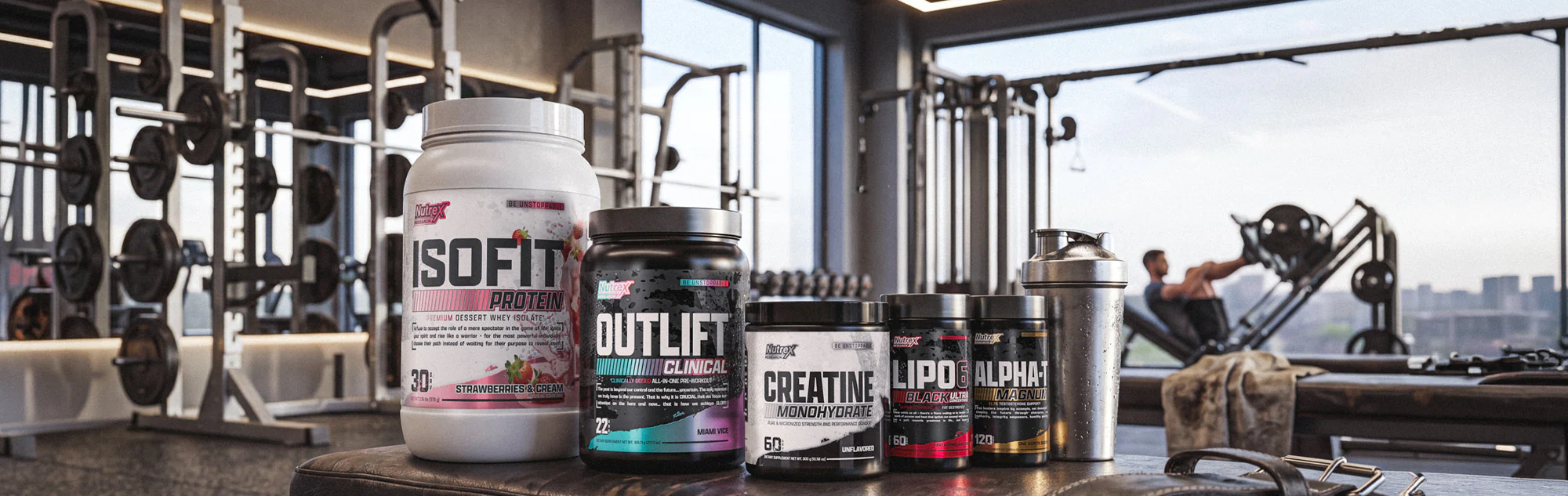
- Established brand supply: We distribute 22+ premium brands—Nutrex, ALLMAX, Insane Labz, Mutant, Rule 1, Cellucor, BSN, Animal, Hi-Tech Pharma, BPI Sports, NOW Foods, and more.
- US-based fulfillment: Our distribution center in Miami, Florida ships domestic orders within 1-3 business days. For international buyers, we coordinate freight and customs documentation.
- Genuine, sealed product: Every item is bought in the U.S. through established supply channels and ships sealed in its original packaging, with a purchase record for every shipment. No expired stock, no unsealed products.
- Export paperwork: International shipments go out with the commercial invoice and packing list your forwarder and customs authority need.
- Case and pallet orders: Orders go by the case, with pallet quantities for larger accounts; your rep confirms minimums when your account is set up.
- International shipping support: We ship to 30+ countries and handle the logistics coordination—freight, customs documentation, and country-specific import procedures.
If you're evaluating supplement distributors and want a direct comparison point, contact us with your product interest, target volume, and destination country. We'll give you a straightforward answer on pricing, availability, and shipping options—no pressure, no long contracts, no exclusivity clauses.